The Art of the Doctor — Inside the OT
What I saw when I pointed a camera at the people who hold lives in their hands. A story about light, focus, and the quiet artistry of medicine.
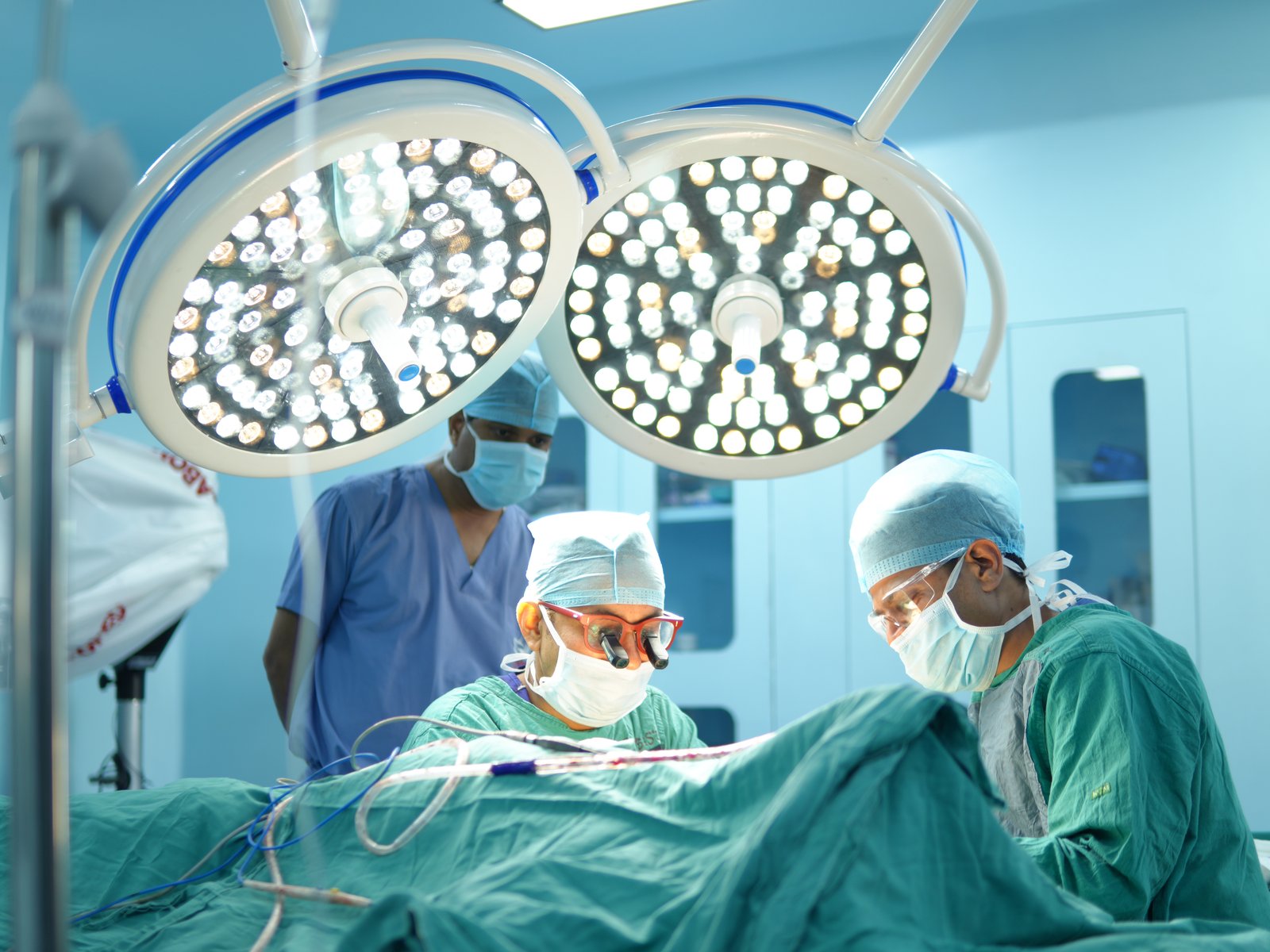
# The Art of the Doctor — Inside the OT
There's a moment, just before the first incision, when everything in the operating theatre goes quiet. The chatter stops. The music — if there was any — drops in volume. Even the lights seem to gather themselves. And then a hand moves, and the day's real work begins.
I've been allowed inside many such rooms. As a content creator, my job is to make a brand look credible — but every time I walked into an OT, I forgot the brief. I just watched.
What I saw was not what TV shows had taught me. I expected drama. I found something far stranger and more beautiful: a kind of slow, focused artistry that nobody outside the room ever gets to witness.
The first thing you notice is the light
OT lights are not gentle. They are designed to remove every shadow, to expose the smallest detail. Pointing a camera into that kind of brightness teaches you something — the doctors don't flinch. Their eyes are trained for it. The patients beneath them are bathed in this clinical white, but the doctors? They are calm. Composed. Like they've been here a thousand times before, because they have.
In one of the shoots, I had to lower my camera's exposure by three full stops just to keep the surgical field from blowing out. The doctor barely looked up. He was already at work.
They move like dancers
This is the part nobody tells you. Surgery is choreography. Hands cross over hands. Instruments pass between fingers without anyone asking. A junior surgeon learns the senior's rhythm so well that they barely speak during the operation. They simply move.
In one OT, I watched a team of five work for nearly two hours on a single case. The surgeon spoke maybe ten sentences the entire time. Everything else was eye contact. Hand gestures. The smallest nod. It was like watching musicians who had played together for years.
When I edited the footage later, I cut to the beat of their movement, not to background music. The rhythm was already there.
What the doctor sees
There's a robotic surgery console in one of the OTs I shot at. The surgeon sits at it like a pilot, head buried into the viewfinder, hands gripping the controls. From outside, it looks like a video game. From inside — through the viewfinder, magnified ten times — there's an entire universe of tissue, blood vessels, and movement.
I asked one surgeon what it felt like. He thought about it. Then he said, "It feels like reading a book that someone else wrote, except I'm allowed to fix the typos."
I have never heard medicine described better.
The silence after
The most powerful moment in any OT shoot wasn't the surgery itself. It was the minute after.
The surgeon steps back. Pulls down the mask. Looks at the team and gives the smallest nod — we did it. No celebration. No high-fives. Just that nod, and then everyone exhales. The patient is wheeled out. The room is cleaned. The next case begins in thirty minutes.
That silence — the one that sits in the room for about ten seconds after a successful surgery — is the most honest moment in medicine. It's where pride lives, but only briefly, because there's already someone else waiting.
What I was actually filming
When I started shooting doctors, I thought I was making content about their work.
Now I know I was making content about their character.
The skill you can teach. The calm, the focus, the rhythm with the team, the quiet dignity after a long case — that's not on any medical syllabus. That's earned. And the only way to show it on camera is to stop directing, stop framing for Instagram, and just let the work speak.
The best frames I've ever shot in an OT are the ones where the doctor didn't know the camera was there.
That, to me, is the art of the doctor. Not the white coat. Not the brand. The way they show up — every single day — for someone else's worst moment.
---
If you're a doctor reading this and you've been thinking about building your personal brand the right way — not the gimmicky way — I'd love to talk. The story of your work deserves to be told without compromising who you are.
Liked this? Let's talk about your brand.
Start a project →